First Time Client: Enjoy $50 Off Initial Treatment


 Blog List
Skin Care
Blog List
Skin Care
 January 2, 2026
 Skin tags may appear as small, harmless bumps at first, but they can quickly become bothersome, whether due to irritation from clothing or cosmetic concerns. While it might be tempting to look for quick DIY fixes, not all solutions are safe or effective. Some can even cause unnecessary pain, bleeding, or infection. Instead of taking risks with your skin, it’s best to explore safe, professional skin tag removal treatments that eliminate them effectively while ensuring proper healing. Let’s take a closer look at the safest and most dermatologist-approved ways to do it right.
Medically known as acrochordons, they are small, soft, benign growths that commonly appear on the skin’s surface. They are usually flesh-colored or slightly darker and can vary in size from a few millimeters to a few centimetres.
Skin tags can appear for a variety of reasons, and understanding what triggers them helps explain why some people are more prone to developing them than others. Below are the most common causes behind their formation:

Here are some of the best safe skin tag removal methods:
Electrocautery uses a small probe to deliver a controlled electric current that burns and seals the tissue at the base of the skin tag. This heat destroys the tag cells while cauterizing the area to stop any bleeding. It’s ideal for small or medium-sized tags. Before the procedure, a local anesthetic is applied to numb the area. During treatment, you might feel a mild warmth or light tingling as the probe touches the skin. The process is usually complete in a few minutes, and most patients tolerate it comfortably.
Healing and Recovery:
A slight crust or scab forms over the treated area, which naturally falls off within 7–10 days. Redness and minor sensitivity may appear for a few days but fade quickly. Keeping the area clean, dry, and covered (if needed) helps prevent infection. Avoid touching or picking at the scab to promote faster healing and minimize scarring.
Laser treatment targets the skin tag with concentrated light energy. The laser heats and vaporizes the tissue without direct contact, breaking down the tag’s structure at its root. The precision of the laser ensures surrounding skin remains unharmed, making it ideal for delicate areas such as the neck, face, or underarms. A numbing cream is usually applied before the procedure. You may feel tiny pricks as the laser pulses over the skin. The process is quick, lasting only a few minutes, depending on the number of tags, and is well tolerated, even by sensitive skin types.
Healing and Recovery:
After treatment, the area may appear slightly red or darker for a few days. The skin naturally heals within 1–2 weeks, revealing clear skin underneath. Avoid direct sun exposure, heavy makeup, or harsh skincare products until full recovery. Applying a soothing, dermatologist-recommended cream helps calm any temporary irritation.
Curettage involves physically removing the skin tag using a sterile surgical blade or curette. After numbing the area, the dermatologist gently scrapes or shaves off the tag from its base. In some cases, the procedure may be combined with cauterization to seal the area and prevent bleeding. This method is highly effective for larger or raised skin tags. Because local anesthesia is used, the procedure is virtually painless. You may feel slight pressure as the tag is being removed, but no sharp pain. The entire process takes only a few minutes, and the area is often covered with a small dressing afterward.
Healing and Recovery:
A small superficial wound forms where the tag was removed, healing within 1–2 weeks. The area might feel tender or slightly red at first. Keeping it clean and applying an antibiotic ointment as advised by your dermatologist promotes healing and prevents infection. Avoid exposing the treated spot to sunlight until it fully recovers to prevent pigmentation.
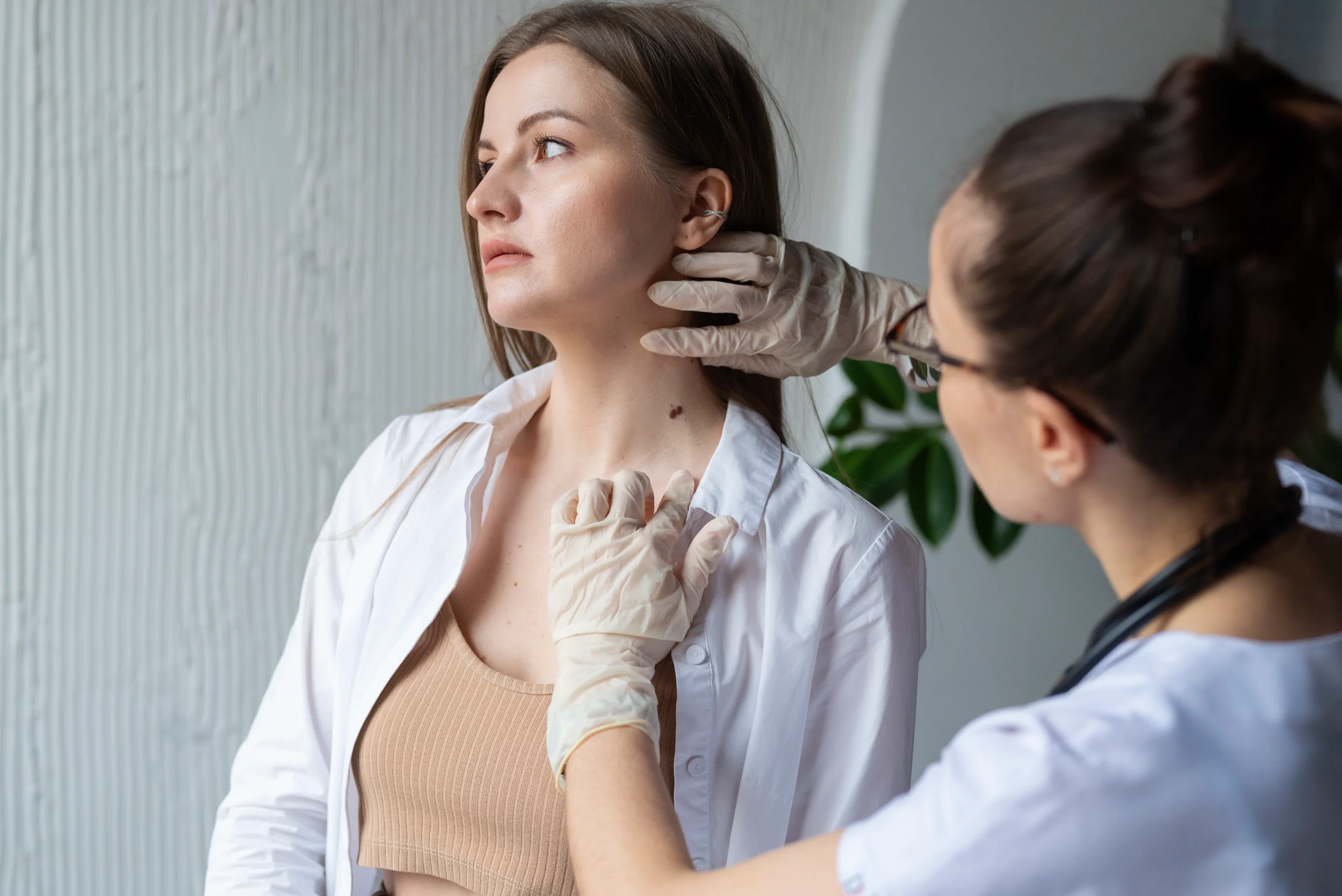
If a skin tag changes in color or size, becomes painful, irritated, or bleeds, or if you’ve attempted any DIY skin tag treatment that caused discomfort or infection, it’s important to seek professional advice. At Soirée Aesthetics, our skincare experts specialize in DPN, skin tag, & mole removal treatments, offering safe and effective solutions using SIIT Pro (Subdermal Ion-Induced Thermolysis), an advanced high-frequency technology that precisely targets and eliminates benign skin lesions with minimal discomfort and downtime. For expert care and smoother, healthier skin, contact us at 713-960-2280 to schedule your consultation today!



A board-certified nurse practitioner with 16 years of advanced nursing experience, Dr. Olusola Calhoun seamlessly blends her medical expertise with her passion for aesthetics. She holds a Doctor of Nursing Practice degree from the University of Alabama and a Master of Nursing from Seton Hall University, along with an MBA and MHA. With a keen eye for detail and a commitment to client satisfaction, Dr. Calhoun ensures every treatment is personalized for optimal results.
Personal Interests: Family, travel, fitness, and nature.
Ready to transform your skincare routine? Our experts can help you achieve your skin goals.
Book Now